







November 20, 2026 is the date OSHA set for employers to update workplace labels, the hazard communication program and employee training, as necessary, for newly identified hazards in substances.[1][2]
Employer date, substances
Nov 20, 2026Paragraph (j)(2)(ii): update workplace labels, the program and training, as necessary, for newly identified hazards.[2]
Moved from
Jul 20, 2026OSHA's final rule of January 15, 2026 moved all four dates by four months.[1]
Employer date, mixtures
May 19, 2028Paragraph (j)(3)(ii). Manufacturers and distributors of mixtures come first, on Nov 19, 2027.[2]
Until then
Either versionParagraph (j)(4) lets employers follow the current standard or the July 1, 2023 version.[2]
What the rule says
OSHA moved that date from July 20, 2026 in a final rule published January 15, 2026, and the date now sits in 29 CFR 1910.1200(j)(2)(ii).[1][2]
Paragraph (j)(2)(ii) of the Hazard Communication Standard reads, word for word:[2]
"For substances, all employers shall, as necessary, update any alternative workplace labeling used under paragraph (f)(6) of this section, update the hazard communication program required by paragraph (h)(1) of this section, and provide any additional employee training in accordance with paragraph (h)(3) of this section for newly identified physical hazard, or health hazards or other hazards covered under this section no later than November 20, 2026."[2]
That sentence covers substances. A separate sentence, paragraph (j)(3)(ii), covers mixtures and carries a later date. The words "as necessary" and "newly identified" are the rule's own.[2]
Paragraph (c) of the standard defines both words. "Substance means chemical elements and their compounds in the natural state or obtained by any production process, including any additive necessary to preserve the stability of the product and any impurities deriving from the process used, but excluding any solvent which may be separated without affecting the stability of the substance or changing its composition." And: "Mixture means a combination or a solution composed of two or more substances in which they do not react." Neither definition mentions a CAS number.[2]
The four dates, side by side
OSHA's January 2026 rule moved all four dates by four months. The table shows who each date names, the earlier date and the date in the rule today.[1]
Checked on November 17, 2026: the date has not moved. The eCFR text of paragraph (j), current to November 13, 2026, still reads "no later than November 20, 2026". The Federal Register lists no Hazard Communication rule after the January 15, 2026 extension other than a one-paragraph correction to Appendix B on February 13, 2026 (91 FR 6760), and OSHA's own extension notice page describes only the January 15 change.[2][4][5]
Scroll across to see every column →
| Paragraph | Who the rule names | Covers | Earlier date | Date now |
|---|---|---|---|---|
| (j)(2)(i) | Manufacturers, importers, and distributors | Substances | January 19, 2026 | May 19, 2026 |
| (j)(2)(ii) | All employers | Substances | July 20, 2026 | November 20, 2026 |
| (j)(3)(i) | Chemical manufacturers, importers, and distributors | Mixtures | July 19, 2027 | November 19, 2027 |
| (j)(3)(ii) | All employers | Mixtures | January 19, 2028 | May 19, 2028 |
Why OSHA moved the dates
OSHA wrote that it was finishing guidance on the updated standard, and that "the agency has not been able to complete these documents with sufficient time for the regulated community and OSHA personnel to benefit from them before the initial compliance date." OSHA then moved the later dates by the same four months "To maintain the tiered approach to compliance adopted in the final rule."[1][2]
Until those dates arrive, paragraph (j)(4) lets either version of the standard apply: "Between May 20, 2024 and the dates specified in paragraphs (j)(2) and (3) of this section, as applicable, chemical manufacturers, importers, distributors, and employers may comply with either this section or § 1910.1200 revised as of July 1, 2023, or both during the transition period."[1][2]
OSHA has posted guidance since then. Its HazCom guidance page lists "Hazard Communication: Hazard Classification Guidance for Manufacturers, Importers, and Employers" as OSHA Publication 3844 (2026), and its rulemaking page links a questions and answers document on the 2024 update. The compliance date table in that document gives November 20, 2026 for "Employers - substances", with the requirement written as "Update workplace labels, hazard communication program and training as necessary".[6][7]
What the rule says about a workplace label
Paragraph (f)(6) is the workplace labeling paragraph that the date points to. Paragraph (f)(6) says "the employer shall ensure that each container of hazardous chemicals in the workplace is labeled, tagged or marked" with one of two sets of information: the information specified for labels on shipped containers, or a "Product identifier and words, pictures, symbols, or combination thereof, which provide at least general information regarding the hazards of the chemicals."[2]
Paragraph (f)(10) adds: "The employer shall ensure that workplace labels or other forms of warning are legible, in English, and prominently displayed on the container, or readily available in the work area throughout each work shift."[2]
Neither paragraph names a label size, a label material, a brand or a printer.[2]
Where this touches a supply list
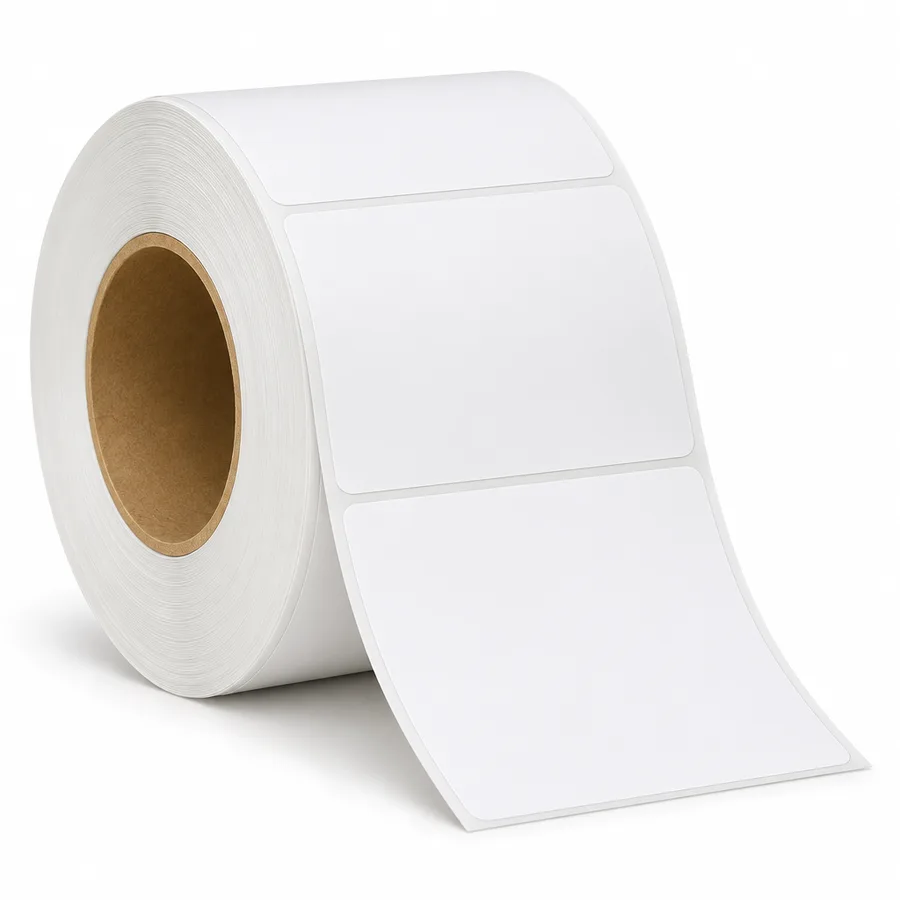
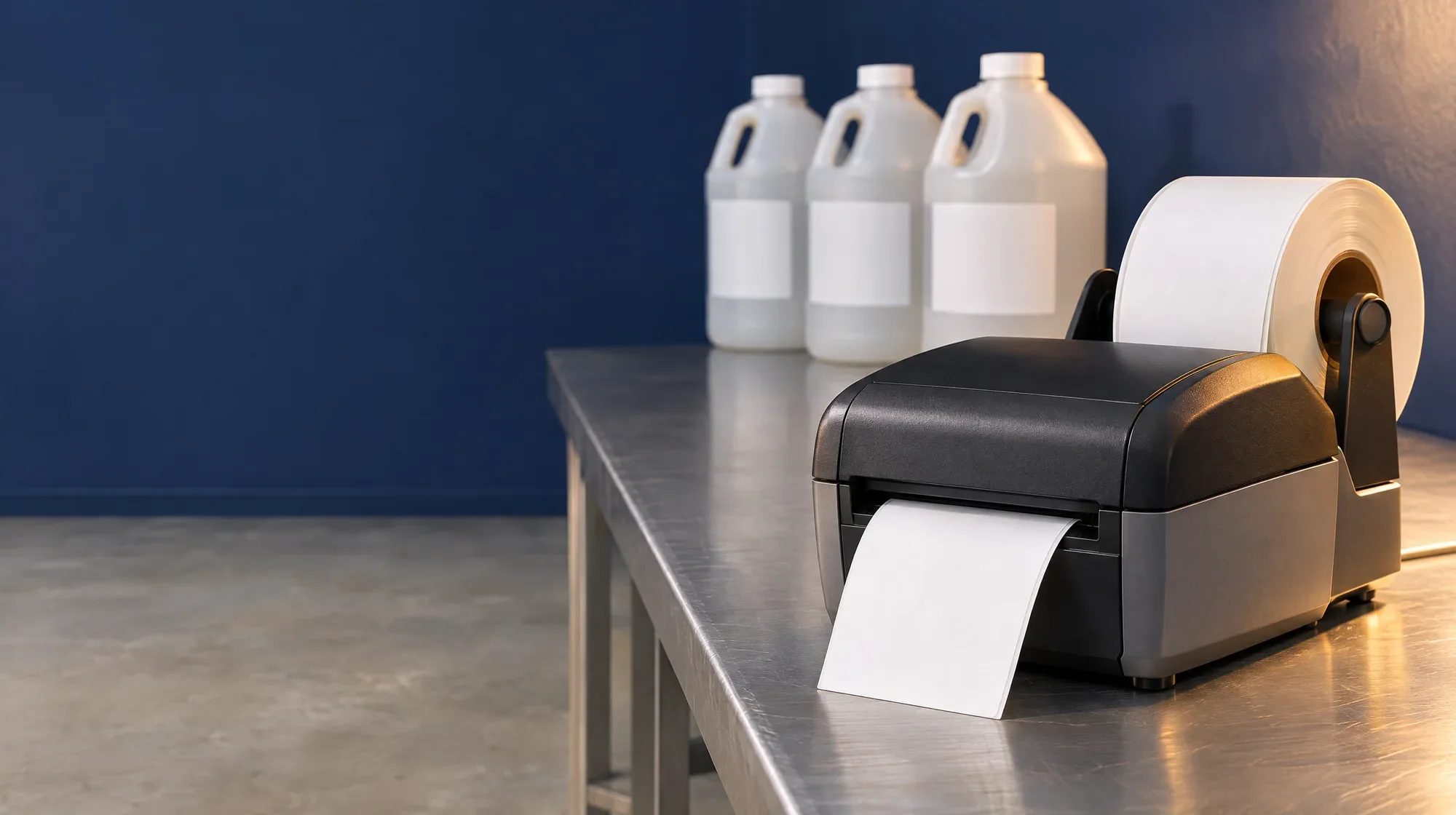
The supplies nearest this date are the labels themselves and the printers that make them. The blank label and printer lines in the Oakspan catalog are listed under "On the site" below.[2]
The rule does not name any of these products. How a label stock holds up on a given container is a question for the label maker's sheet and the product SDS.[2]
Where the rule's requirements are explained
OSHA keeps the standard's guidance at osha.gov/hazcom. What a given workplace has to do is a question for OSHA and for the employer's own safety staff.[3]
Oakspan Supply sells the label stock and label printers listed above. This article reports the rule; it is not legal or compliance advice.[3]
To price these items with the rest of a supply list, email quotes@oakspansupply.com.
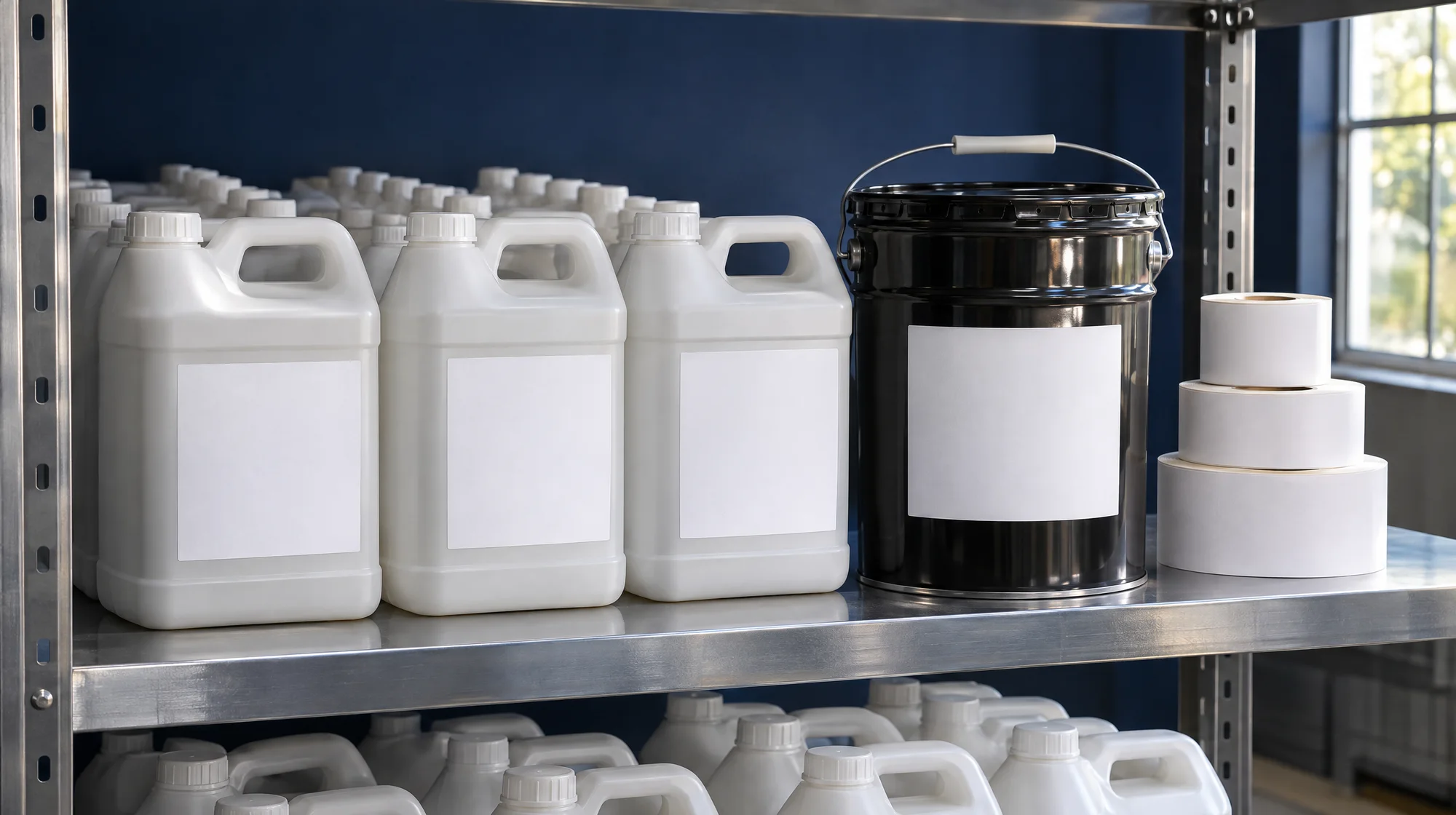
On our shelves
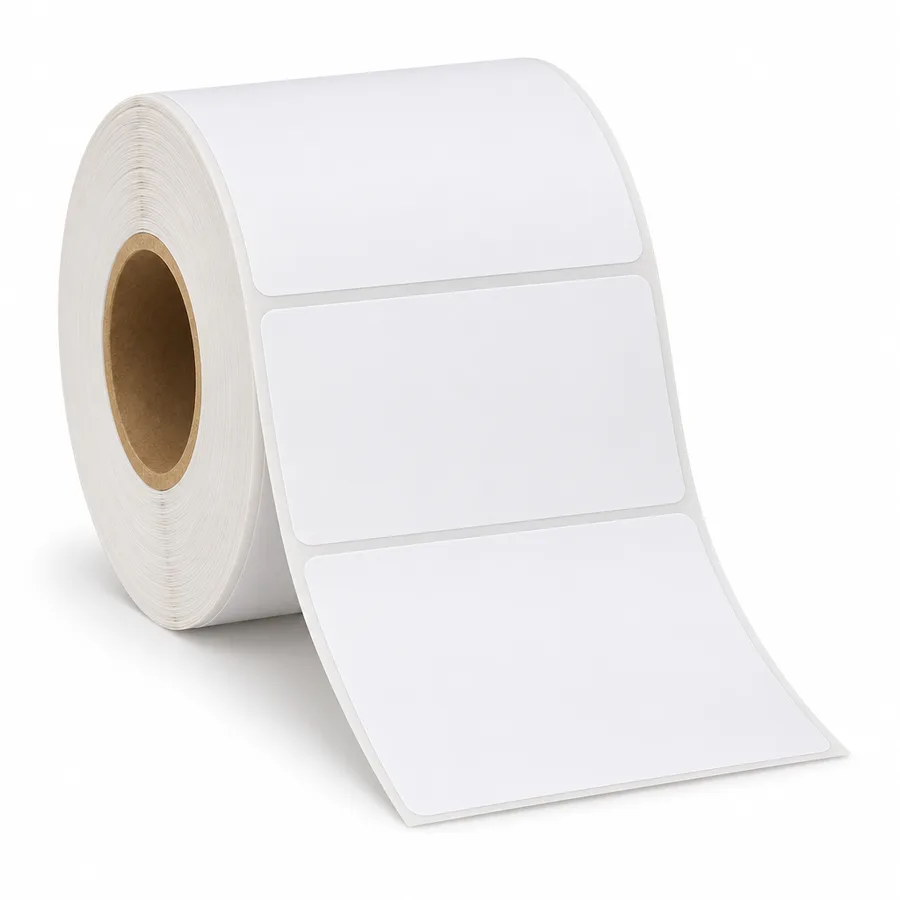
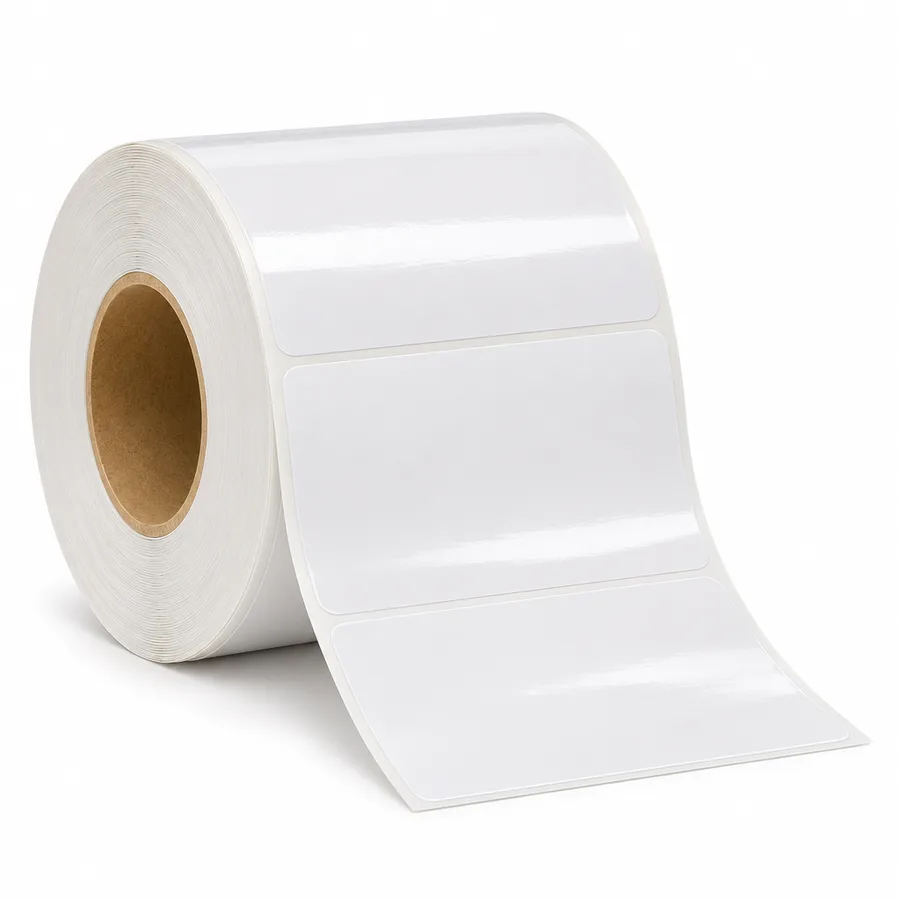
Questions
When is the HazCom employer date for substances?
November 20, 2026. Paragraph (j)(2)(ii) of 29 CFR 1910.1200 sets that date for all employers, as necessary, to update alternative workplace labeling, the hazard communication program and employee training for newly identified hazards.[2]
Did OSHA move the HazCom compliance dates?
Yes. A final rule published January 15, 2026 (91 FR 1695) moved all four dates in paragraph (j) by four months, including the employer date for substances, from July 20, 2026 to November 20, 2026.[1][2]
When do the HazCom dates for mixtures apply?
Chemical manufacturers, importers and distributors evaluating mixtures have until November 19, 2027 under paragraph (j)(3)(i). Employers have until May 19, 2028 under paragraph (j)(3)(ii).[2]
Can employers follow the older HazCom standard until those dates?
Paragraph (j)(4) says that between May 20, 2024 and the dates in paragraphs (j)(2) and (j)(3), as applicable, employers may comply with the current section, with 1910.1200 as revised July 1, 2023, or both.[2]
What does paragraph (f)(10) say a workplace label must be?
Paragraph (f)(10) says workplace labels or other forms of warning must be legible, in English, and prominently displayed on the container or readily available in the work area throughout each work shift.[2]
Does the HazCom rule name a label size, material or printer?
Paragraphs (f)(6) and (f)(10) do not name a label size, label material, brand or printer.[2]
Has OSHA extended the November 20, 2026 date again?
No, as of November 17, 2026. The eCFR text of 29 CFR 1910.1200(j)(2)(ii) still reads November 20, 2026, and the Federal Register lists no Hazard Communication rule after the January 15, 2026 extension other than a February 13, 2026 correction to Appendix B.[2][4]
How does the HazCom rule define a substance and a mixture?
Paragraph (c) defines a substance as "chemical elements and their compounds in the natural state or obtained by any production process", including stabilizing additives and process impurities, and a mixture as "a combination or a solution composed of two or more substances in which they do not react."[2]
Have a list of what you need? Our quotes desk prices the exact items.

Written by Anastasiia Kuziak, Manager and President of Oakspan Supply. She has a business degree, owns a small business of her own, and has more than five years in medical and pharmaceutical sales. How we write and check our guides.
Sources
- Hazard Communication Standard (final rule, 91 FR 1695). Federal Register. Accessed 2026-11-17.
- 29 CFR 1910.1200, Hazard communication. Electronic Code of Federal Regulations. Accessed 2026-11-17.
- Hazard Communication. OSHA. Accessed 2026-11-17.
- Hazard Communication Standard; Corrections (correction, 91 FR 6760, February 13, 2026). Federal Register. Accessed 2026-11-17.
- HCS 2024 Compliance date extension notice. OSHA. Accessed 2026-11-17.
- Hazard Communication Guidance Documents. OSHA. Accessed 2026-11-17.
- Questions & Answers for OSHA's 2024 Update to the Hazard Communication Standard (HCS). OSHA. Accessed 2026-11-17.
Written from the sources above under our editorial policy. Published November 4, 2026, last updated November 17, 2026. Spot an error? Send us a correction and we fix it and note the date.
- Labels and printing
- 4 x 6 in thermal-transfer labels (ID Images, Case of 4 rolls, 4,000 labels)
- 4 x 6 in direct-thermal labels (ID Images, Roll of 250)
- 4 x 6 in gloss BOPP inkjet labels (Texas Label Printers, Roll of 920)
Pictures on this page are AI images made from our warehouse photos. Exact part and markings are confirmed in your quote.