








PHMSA's final rule HM-268E (91 FR 49305) takes effect December 2, 2026. It replaces the hazardous substance and RQ tables in Appendix A to 49 CFR 172.101 with a reference to EPA's list at 40 CFR 302.4, and PHMSA says it does not change which materials are hazardous substances. The RQ mark on packages and shipping papers stays the same.[1][7]
Takes effect
Dec 2, 2026Final rule HM-268E, 91 FR 49305, docket PHMSA-2025-0093.[1]
The list
40 CFR 302.4EPA's Table 302.4 replaces Tables 1 and 2 of Appendix A to 172.101.[1]
Empty IBCs
0.3% residueSince Sept 3, 2026, 173.29(d) excepts residue IBCs from shipping papers, with conditions.[3]
What HM-268E changes on December 2, 2026
PHMSA, the hazardous materials safety agency of the US Department of Transportation, published final rule HM-268E on August 4, 2026, at 91 FR 49305, docket PHMSA-2025-0093. It takes effect December 2, 2026. From that date, the list of hazardous substances and their reportable quantities (RQs) in Appendix A to 49 CFR 172.101 is replaced by a pointer to the list EPA keeps at 40 CFR 302.4.[1]
The new Appendix A reads, in full: "Refer to 40 CFR 302.4 to see the list of hazardous substances and their reportable quantities (RQs) in Table 302.4. The list includes an Appendix B to § 302.4 for radionuclides and their adjusted RQs." Today Appendix A holds two tables of its own, Table 1 for hazardous substances other than radionuclides and Table 2 for radionuclides.[1][5]
HM-268E is a final rule, not a proposal. PHMSA set the effective date 120 days after publication, after a commenter asked for time to update systems and training materials.[1]
Scroll across to see every column →
| Step | Date | Record |
|---|---|---|
| Proposed rule published | July 1, 2025 | FR Doc. 2025-12067 |
| Comments closed | September 2, 2025 | Docket PHMSA-2025-0093 |
| Final rule published | August 4, 2026 | 91 FR 49305 |
| Appeal submitted by DGAC | September 1, 2026 | Docket PHMSA-2025-0093 |
| PHMSA denied the appeal | October 29, 2026 | PHMSA-2025-0093-0016 |
| Final rule takes effect | December 2, 2026 | RIN 2137-AG07 |
The appeal PHMSA denied on October 29, 2026
The December 2, 2026 date was challenged and stands. A trade group, the Dangerous Goods Advisory Council (DGAC), submitted an administrative appeal of HM-268E dated September 1, 2026. PHMSA's reply says the appeal asked the agency to "rescind the HM-268E final rule in its entirety and stay its December 2, 2026 effective date".[11]
PHMSA answered in a letter dated October 29, 2026, signed by its Administrator and posted to docket PHMSA-2025-0093 on November 3, 2026. Its last line on the request reads: "PHMSA denies DGAC’s appeal of the final rule and your request to stay the effective date. The final rule HM-268E will remain in effect, with compliance mandatory as of December 2, 2026." The letter adds that letters of support sent in October arrived after the 30-day limit in 49 CFR 106.120(a) and were not considered.[11][12]
On the worry about looking in a second set of regulations, the letter says the eCFR page for Appendix A to 49 CFR 172.101 will link directly to 40 CFR 302.4, and that the "longer than usual 120-day transition period ending December 2, 2026, was specifically granted to accommodate these efforts." Checked on November 17, 2026: the Federal Register lists no correction, delay or other document for HM-268E (RIN 2137-AG07) after the August 4, 2026 final rule.[1][11]
Where shippers look up an RQ after December 2
PHMSA's notice says: "Effective 120 days after publication of this final rule, persons offering for transportation and transporting materials that may be subject to hazardous substance requirements in the HMR must refer to the EPA regulations at 40 CFR 302.4 for the list of regulated hazardous substances and their reportable quantities."[1]
The 49 CFR 171.8 definitions change to match. A hazardous substance becomes a material that "Is listed in 40 CFR 302.4, as referenced in appendix A to § 172.101" and is in one package in a quantity that equals or exceeds its RQ. Today the same definition reads "Is listed in the appendix A to § 172.101".[1][4]
EPA's table at 40 CFR 302.4 is titled "List of Hazardous Substances and Reportable Quantities". Answering commenters who worried about buying a second set of regulations, PHMSA points to the free eCFR, which it says is "updated on a daily basis".[1][10]
What stays the same: the RQ mark and the one-package test
PHMSA writes that the change "does not functionally change whether a material is classified as a hazardous substance." The definition keeps its test: the quantity in one package must equal or exceed the RQ, and a mixture or solution counts when its concentration by weight reaches the level in the table below.[1]
The package mark doesn't change. For each non-bulk package that contains a hazardous substance, 49 CFR 172.324(b) still reads "The letters “RQ” must be marked on the package in association with the proper shipping name", and 172.203(c)(2) still requires the letters "RQ" on the shipping paper. HM-268E amends neither section.[1][6][7]
Appendix B to 172.101, the list of marine pollutants, stays as written. PHMSA had proposed relabeling that list as Appendix A, and kept it as Appendix B after commenters asked it to.[1]
Scroll across to see every column →
| RQ, pounds (kilograms) | Concentration by weight, percent | Concentration, ppm |
|---|---|---|
| 5,000 (2,270) | 10 | 100,000 |
| 1,000 (454) | 2 | 20,000 |
| 100 (45.4) | 0.2 | 2,000 |
| 10 (4.54) | 0.02 | 200 |
| 1 (0.454) | 0.002 | 20 |
Empty packagings: one reference drops out, and the paragraph letters moved
HM-268E also rewrites the residue rule for empty packagings in 49 CFR 173.29. Today a package holding the residue of a hazardous substance that is a miscellaneous hazardous material and is "listed in the § 172.101 Table, Appendix A, Table I" may stay marked, labeled and placarded as it was when full. The new text drops the reference to Appendix A's table and keeps the rest: such a package "may remain marked, labeled and, if applicable, placarded in the same manner as when it contained a greater quantity of the material".[1][8]
As printed, HM-268E's instruction is to "revise paragraph (h)" of 173.29. When the rule was published, (h) was the hazardous substance residue paragraph. A second PHMSA final rule published the same day, HM-268P at 91 FR 49335, took effect September 3, 2026, and redesignated paragraphs (d) through (h) as (e) through (i). In the eCFR text current to November 6, 2026, the hazardous substance residue paragraph is (i), and (h) covers elevated temperature material. The Federal Register lists no correction to HM-268E through November 10, 2026.[1][3][8][9]
Empty IBC totes: the residue exception in force since September 3
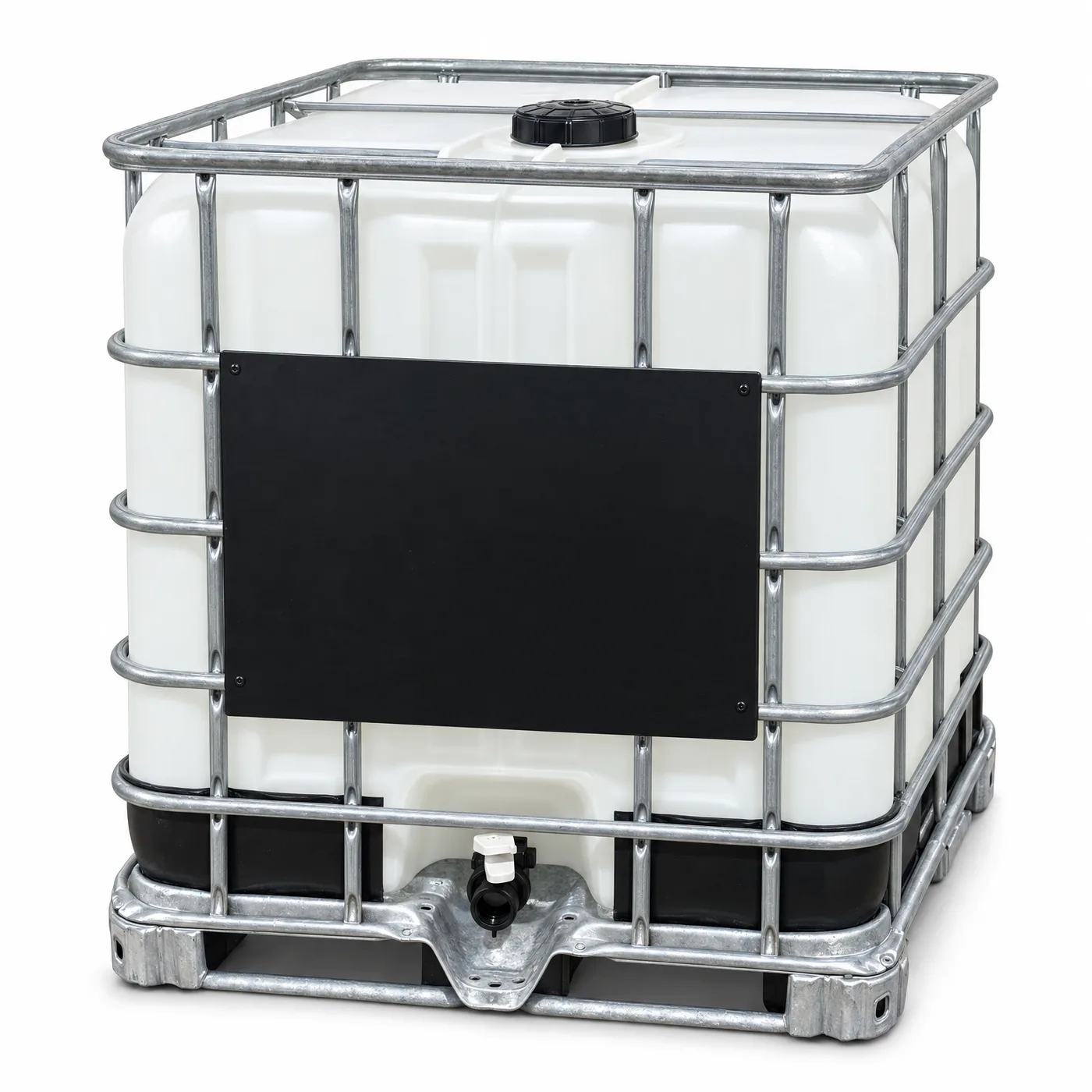
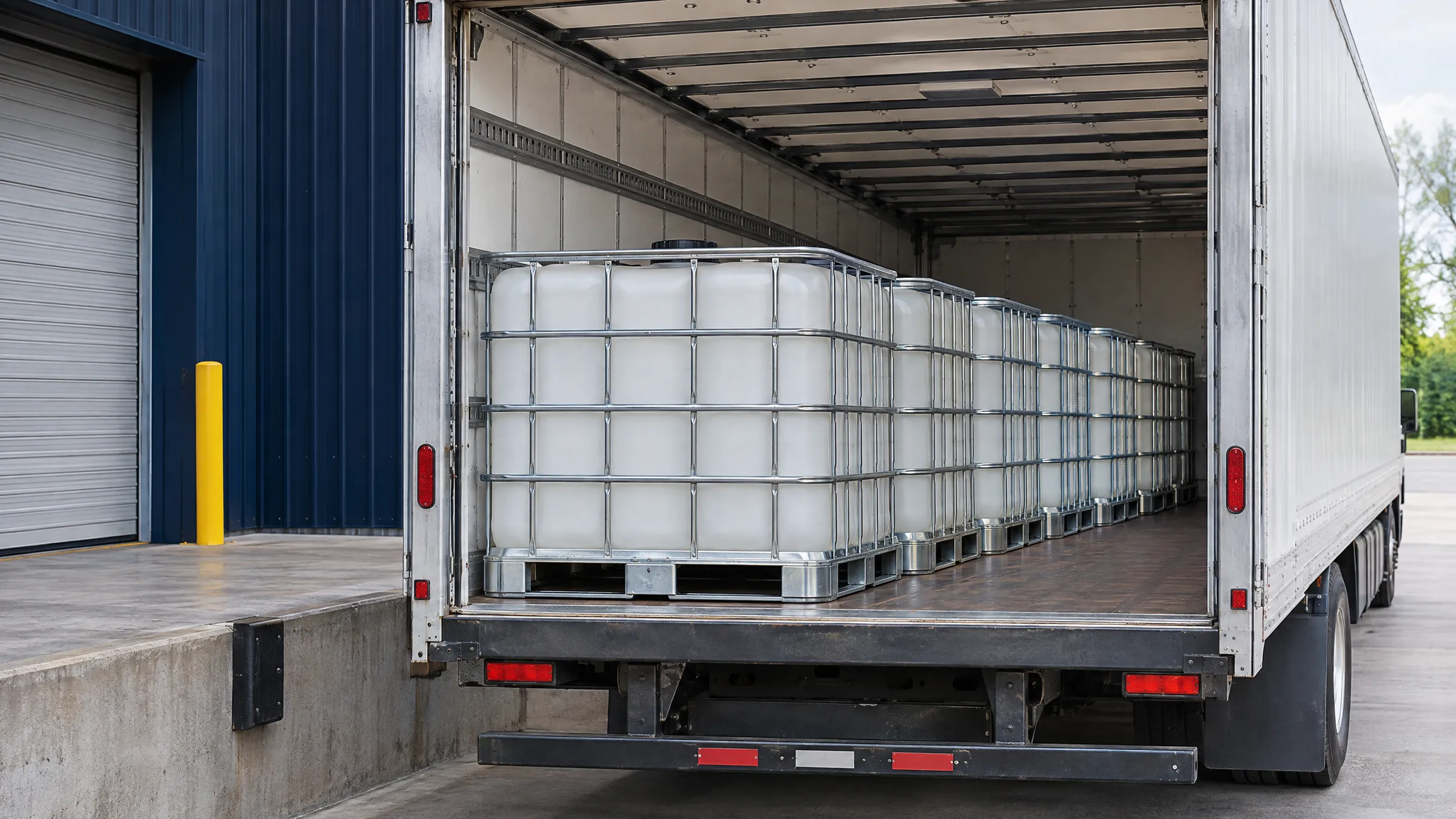
HM-268P added paragraph (d) to 173.29 for IBCs, in place of special permit DOT-SP 21478. A steel, rigid plastic or composite IBC of up to 2,100 L (550 gallons) holding only the residue of hazardous materials in Packing Groups II and III of Classes 3, 4.1, 5.1, 6.1, 8 and 9 is excepted from shipping papers, and the vehicle is not subject to placarding or the 172.331 UN number marking, when every condition in the table is met.[3][8]
PHMSA says the change lets an empty IBC move much as an empty non-bulk package already can under 173.29(c). The IBC itself still carries its marks and labels, because one of the conditions keeps subparts D and E of part 172.[3]
Scroll across to see every column →
| Condition | What 173.29(d) requires |
|---|---|
| Residue | No more than 0.3 percent by weight of the IBC's total capacity remains |
| Vehicle | A fully enclosed transport vehicle or freight container |
| Destination | A reconditioning, remanufacturing, requalification, disposal or repair facility only |
| Document | Paper or electronic, with the phrase "Residue IBC(s)" and the number of IBCs for each Class or Division |
| Marks and labels | Marked and labeled under subparts D and E of part 172 |
| Mode | Motor vehicle or rail only |
Source: [3]
What Oakspan Supply sells
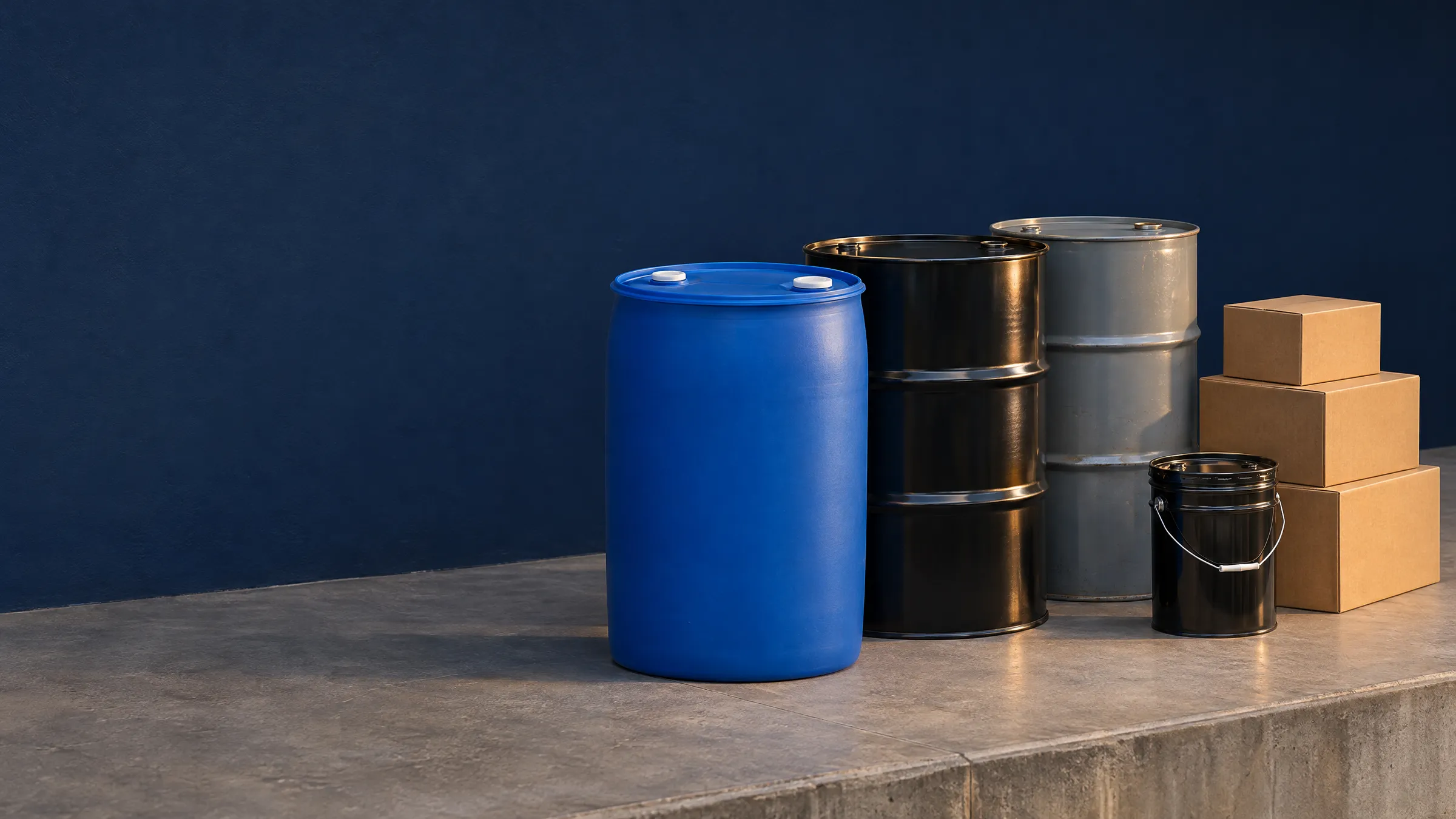
Oakspan Supply sells steel and plastic drums, steel pails, jerricans, fiber drums, UN-marked fiberboard boxes and reconditioned IBC totes, plus the gloves, labels, wipes and closures on a plant's supply list. Send a part number, a photo or your last invoice to quotes@oakspansupply.com and our quotes desk prices the exact item.
This article reports the rules; it is not legal or compliance advice. PHMSA's notices and the current 49 CFR and 40 CFR text are the record.[1]
On our shelves
Questions
What is PHMSA HM-268E?
A final rule published August 4, 2026, at 91 FR 49305, that replaces the hazardous substance list in Appendix A to 49 CFR 172.101 with a reference to EPA's list at 40 CFR 302.4. It takes effect December 2, 2026.[1]
Where is the reportable quantity list after December 2, 2026?
In EPA's Table 302.4 at 40 CFR 302.4, with radionuclides in Appendix B to 302.4. Appendix A to 49 CFR 172.101 will point there instead of listing the substances itself.[1][10]
Does HM-268E change the RQ marking on packages?
No. 49 CFR 172.324(b) still requires the letters "RQ" on each non-bulk package that contains a hazardous substance, in association with the proper shipping name, and HM-268E does not amend that section.[1][7]
Can an empty IBC tote ship without shipping papers?
Under 49 CFR 173.29(d), in force since September 3, 2026, an IBC up to 2,100 L (550 gallons) holding only the residue of Packing Groups II and III materials in Classes 3, 4.1, 5.1, 6.1, 8 and 9 is excepted from shipping papers when no more than 0.3 percent of its capacity remains and the other conditions in that paragraph are met.[3]
Was HM-268E appealed, and is December 2, 2026 still the date?
Yes to both. The Dangerous Goods Advisory Council appealed on September 1, 2026 and asked PHMSA to rescind the rule and stay its effective date. PHMSA denied the appeal in a letter dated October 29, 2026, which says the rule "will remain in effect, with compliance mandatory as of December 2, 2026."[11]
Have a list of what you need? Our quotes desk prices the exact items.

Written by Anastasiia Kuziak, Manager and President of Oakspan Supply. She has a business degree, owns a small business of her own, and has more than five years in medical and pharmaceutical sales. How we write and check our guides.
Sources
- Hazardous Materials: Remove Redundant List of U.S. EPA CERCLA Hazardous Substances (HM-268E), final rule, 91 FR 49305, August 4, 2026. Federal Register. Accessed 2026-11-17.
- Hazardous Materials: Remove Redundant List of U.S. EPA CERCLA Hazardous Substances (HM-268E), proposed rule, July 1, 2025. Federal Register. Accessed 2026-11-10.
- Hazardous Materials: Adoption of Department of Transportation Special Permit 21478 (HM-268P), final rule, 91 FR 49335, August 4, 2026. Federal Register. Accessed 2026-11-10.
- 49 CFR 171.8, Definitions and abbreviations. Electronic Code of Federal Regulations. Accessed 2026-11-10.
- 49 CFR 172.101, Purpose and use of the hazardous materials table, with Appendix A. Electronic Code of Federal Regulations. Accessed 2026-11-10.
- 49 CFR 172.203, Additional description requirements. Electronic Code of Federal Regulations. Accessed 2026-11-10.
- 49 CFR 172.324, Hazardous substances in non-bulk packagings. Electronic Code of Federal Regulations. Accessed 2026-11-10.
- 49 CFR 173.29, Empty packagings (current). Electronic Code of Federal Regulations. Accessed 2026-11-10.
- 49 CFR 173.29, Empty packagings, as of August 1, 2026. Electronic Code of Federal Regulations. Accessed 2026-11-10.
- 40 CFR 302.4, Hazardous substances and reportable quantities. Electronic Code of Federal Regulations. Accessed 2026-11-10.
- PHMSA response to the Dangerous Goods Advisory Council administrative appeal of HM-268E, letter dated October 29, 2026 (PHMSA-2025-0093-0016). PHMSA, on Regulations.gov. Accessed 2026-11-17.
- Docket PHMSA-2025-0093 (HM-268E). Regulations.gov. Accessed 2026-11-17.
Written from the sources above under our editorial policy. Published November 10, 2026, last updated November 17, 2026. Spot an error? Send us a correction and we fix it and note the date.
- Drums, totes and pails
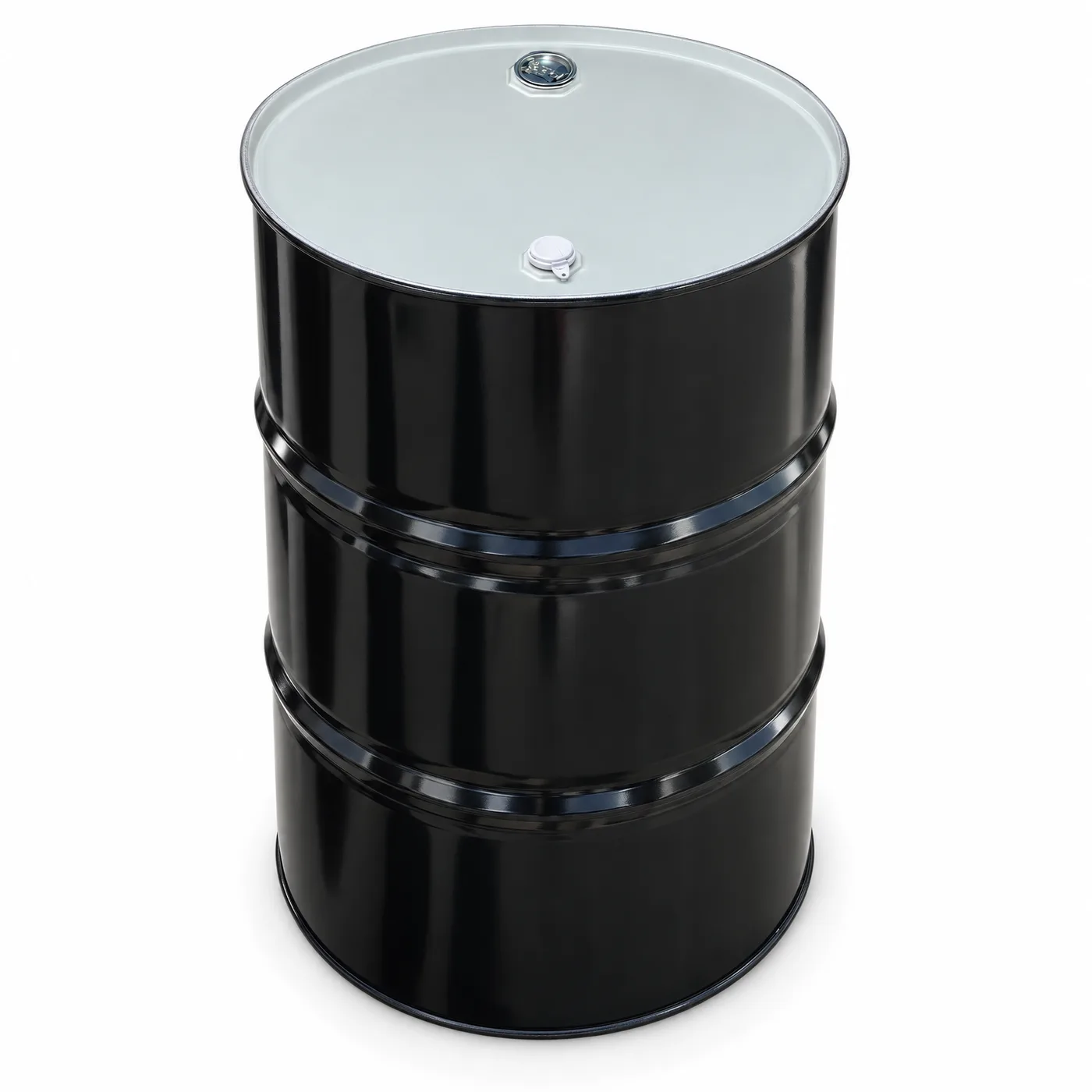
- OKS-CTR-SD55-TH-NEW: steel drum, 55 gal, tight-head, new
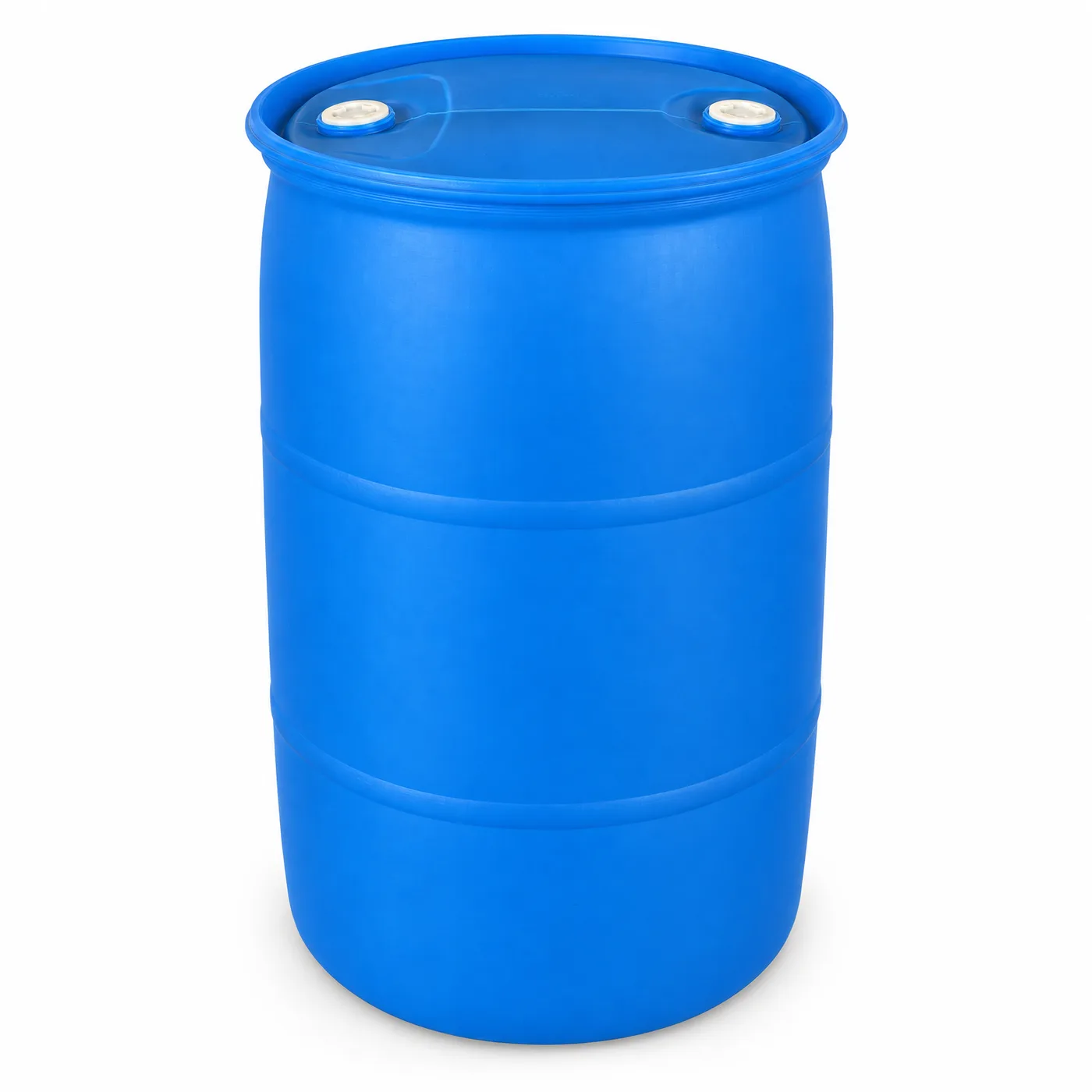
- OKS-CTR-PD55-TH-NEW: poly drum, 55 gal, tight-head, new
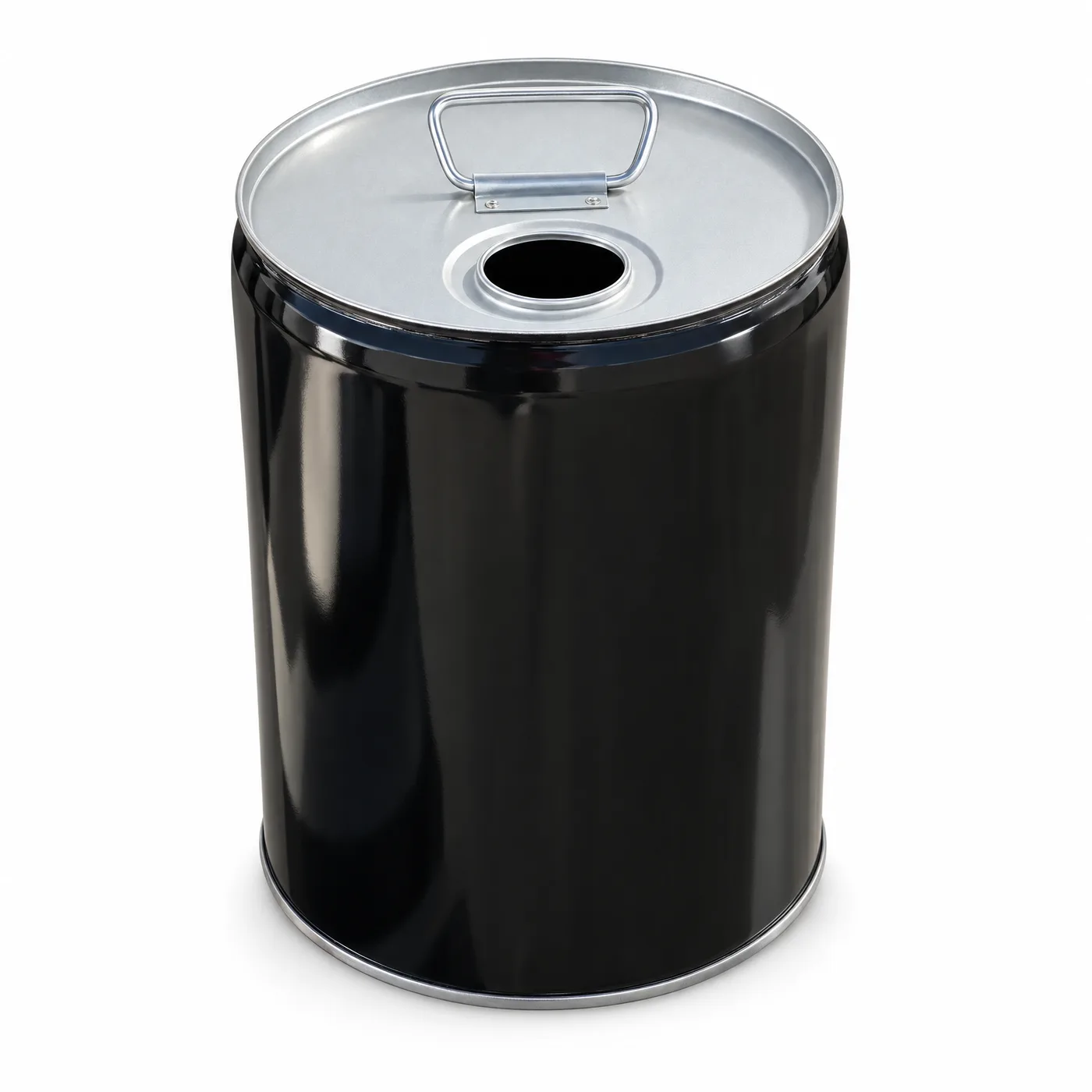
- OKS-CTR-PLS-5GAL: steel pail, 5 gal, tight-head
- OKS-PKG-UNB-1X5GAL: UN 4G box for one 5 gal pail
- OKS-CTR-IBC-275-RECON: IBC tote, 275 gal, reconditioned
- How to read UN markings on drums, pails and boxes
- PHMSA HM-215S proposed rule: comments close December 28, 2026
Pictures on this page are AI images made from our warehouse photos. Exact part and markings are confirmed in your quote.