






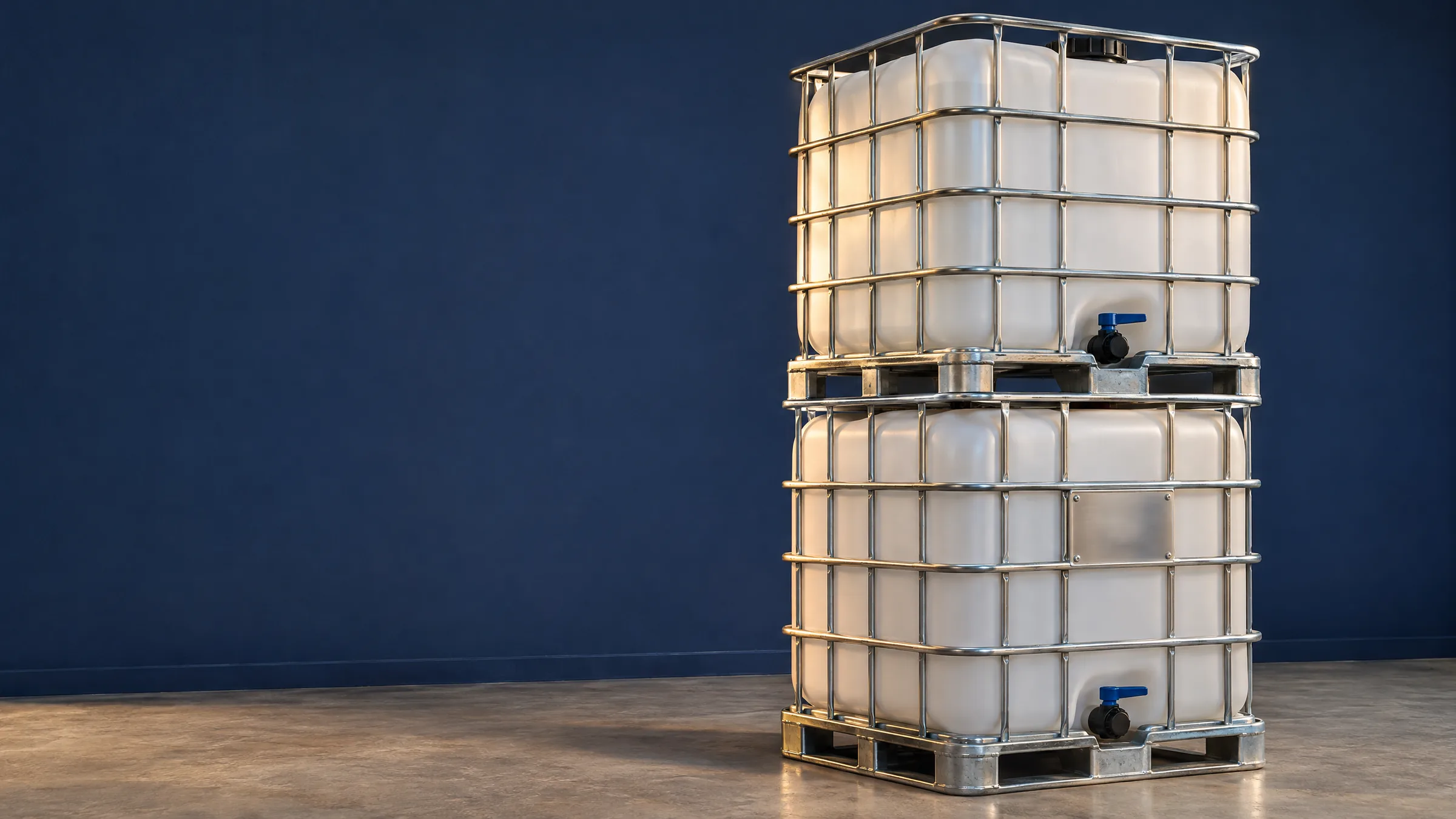
PHMSA proposed HM-215S on October 27, 2026 (91 FR 67720), and comments close December 28, 2026. For IBC totes it rewords the stacking mark from "stacking test load" to "superimposed stacking test mass", which PHMSA says changes no marking or test. It updates the fiberboard box water test to ISO 535:2023 and proposes no label change.[1]
Comments close
Dec 28, 2026Docket PHMSA-2025-0048 (HM-215S), RIN 2137-AF75.[1]
Status
ProposedA notice of proposed rulemaking with no effective date set.[1]
Free. Just your work email.
Print the IBC tote check sheet
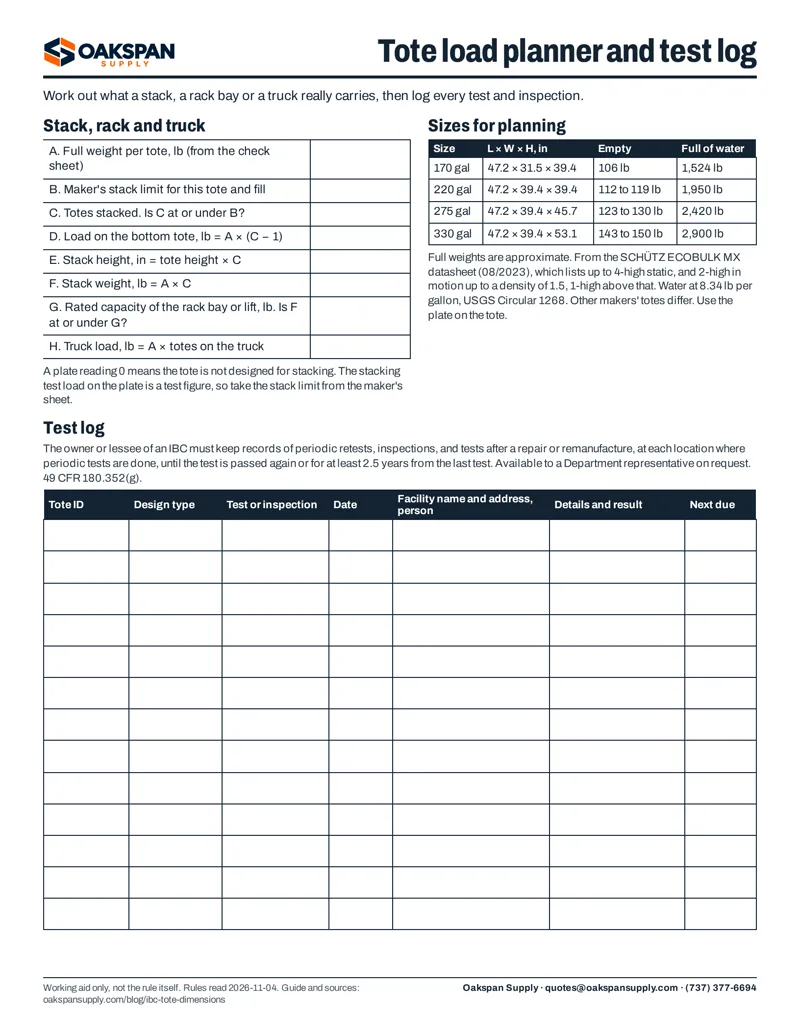
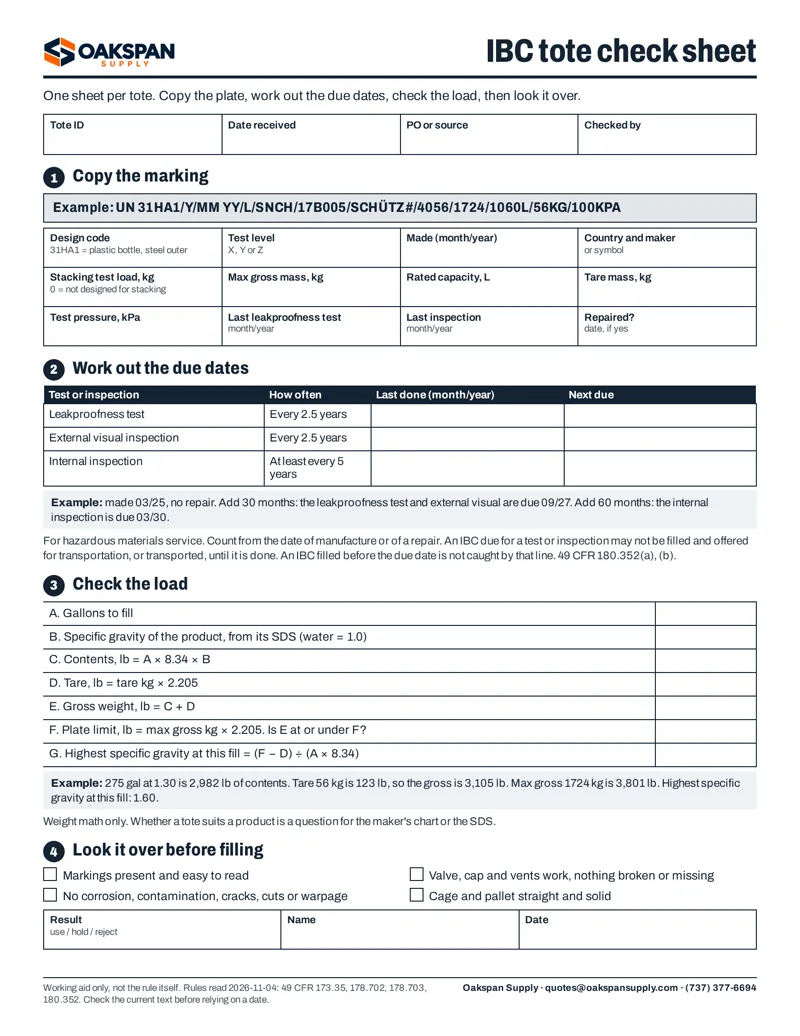
A two-page sheet for the receiving desk: copy a tote's marking plate, check the stacking figure against the rule, and log the 2.5-year retest date. It works under today's wording and the HM-215S wording.
- Copy the marking plate field by field
- Work out leakproofness and inspection due dates
- Check the fill weight against the plate limit
- Plan stack, rack and truck loads, and keep the test log
Two pages, letter size. The sheet downloads right away. We'll send you the occasional supply guide and may use your email to show you our ads. Unsubscribe any time. Privacy policy.
What PHMSA proposed, and the dates
PHMSA, the hazardous materials safety agency of the US Department of Transportation, published proposed rule HM-215S on October 27, 2026, at 91 FR 67720, docket PHMSA-2025-0048. Comments must be received by December 28, 2026.[1]
HM-215S is a proposal, not a final rule. Nothing in it is in force yet, and the notice sets no effective date. The rules in force today are the current 49 CFR sections linked on this page.[1]
PHMSA says the proposal would bring the Hazardous Materials Regulations in line with the 24th revised edition of the UN Model Regulations, the 2027-28 ICAO Technical Instructions and Amendment 43-26 of the IMDG Code. The notice states that Amendment 43-26 of the IMDG Code becomes mandatory on January 1, 2027.[1]
Some of the same ground was covered by HM-215R, proposed on February 10, 2026, at 91 FR 5996. PHMSA says any text that differs between the two will be reconciled when the HM-215R final rule is published.[1][2]
Scroll across to see every column →
| Date | What happens | Where it is stated |
|---|---|---|
2026-02-10 | HM-215R proposed (91 FR 5996) | Federal Register |
2026-10-27 | HM-215S proposed (91 FR 67720) | Federal Register |
2026-12-28 | Comments on HM-215S close | HM-215S, DATES |
2027-01-01 | IMDG Code Amendment 43-26 mandatory | HM-215S, footnote 3 |
Not set | HM-215S final rule and its effective date | No date in the notice |
IBC totes: the stacking mark gets new words, not a new mark
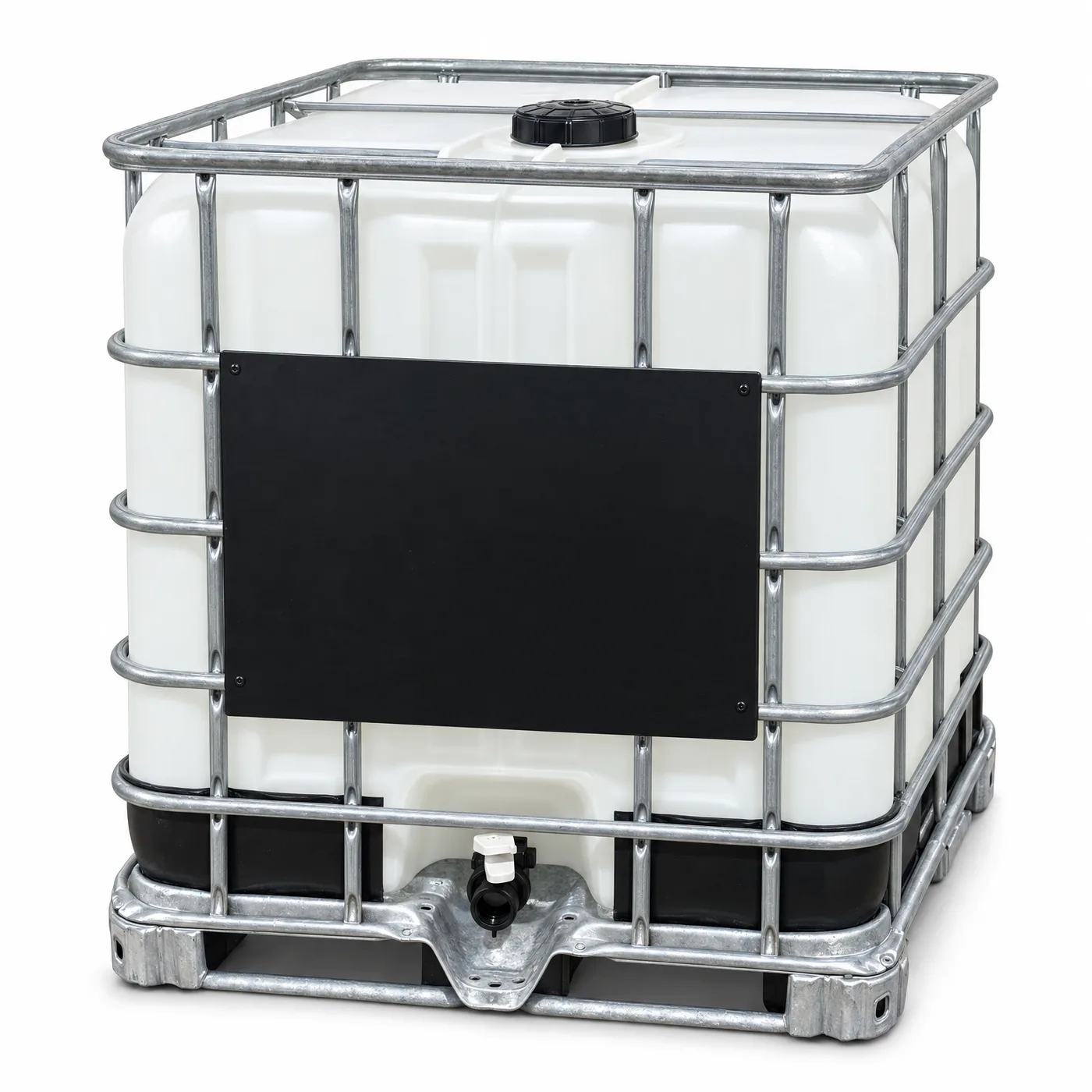
The change closest to a buyer's dock is in 49 CFR 178.703, the marking rule for intermediate bulk containers (IBCs), the caged totes. Today paragraph (a)(1)(vii) asks for "The stacking test load in kilograms". HM-215S would make it "The superimposed stacking test mass in kilograms (kg)", and keeps the line "For IBCs not designed for stacking, the figure “0” must be shown."[1][3]
The stacking symbol paragraph, 178.703(b)(7)(iv), would change "maximum permitted stacking load" to "maximum permitted superimposed stacking mass". The rest of that paragraph stays: the mass marked above the symbol must not exceed the design test load divided by 1.8, and its letters and numbers must be at least 12 mm (0.48 inches) tall.[1][3]
PHMSA's reason is units. The current text calls a value in kilograms a "load", which mixes a force with a mass. PHMSA writes that the revisions "are terminology and unit of measure clarification changes only and do not change the marking requirements on a package or the stacking test itself."[1]
Scroll across to see every column →
| Section | Text in force today | Text HM-215S proposes |
|---|---|---|
178.703(a)(1)(vii) | The stacking test load in kilograms | The superimposed stacking test mass in kilograms (kg) |
178.703(b)(7)(iv) | maximum permitted stacking load | maximum permitted superimposed stacking mass |
178.815(c)(5) | the load to be placed on the IBC must be 1.8 times | the mass placed on the IBC surface to create the superimposed test load must be 1.8 times |
The stacking test: same 1.8 factor, reworded
49 CFR 178.815(c)(5) sets the stacking test for every IBC design. Today it reads that "the load to be placed on the IBC must be 1.8 times the combined maximum permissible gross mass of the number of similar IBCs that may be stacked on top of the IBC during transportation."[4]
HM-215S keeps the 1.8 factor and rewrites the start: "the mass placed on the IBC surface to create the superimposed test load must be 1.8 times the combined maximum permissible gross mass". Worked through with round numbers: if one similar IBC with a maximum permissible gross mass of 1,250 kg may sit on top, the test mass is 1.8 x 1,250 = 2,250 kg, and the figure above the stacking symbol can be no more than 2,250 / 1.8 = 1,250 kg.[1][3][4]
What HM-215S leaves alone for totes
Plastic recovered from used packaging, as material for new rigid plastic IBCs: the UN Model Regulations now allow it, and PHMSA writes that it is "not proposing to adopt the revised provisions in the UN Model Regulations at this time", because it still wants oversight such as batch testing of that material. PHMSA says it expects to take the issue up in a future rulemaking.[1]
Periodic leakproofness testing: PHMSA declined the UN clarification on how the retest is run. 49 CFR 180.352 already requires an IBC for liquids to pass the leakproofness test before first use "and every 2.5 years thereafter, starting from the date of manufacture or the date of a repair".[1][6]
Empty totes going back for reconditioning have their own rule since September 3, 2026: HM-268P added 49 CFR 173.29(d), which excepts an IBC from shipping papers when no more than 0.3 percent by weight of its total capacity remains and the other conditions are met. Our news page on HM-268E lists those conditions.[8]
Fiberboard boxes: a newer edition of the water test
For 4G fiberboard boxes, 49 CFR 178.516 sets a water-resistance limit measured by the Cobb method: an increase in mass over 30 minutes "not greater than 155 g per square meter (0.0316 pounds per square foot)", tested per ISO 535.[5]
HM-215S would replace the 1991 edition of ISO 535 with the 2023 edition in 178.516 and in the fiberboard and composite IBC sections, 178.707 and 178.708. The notice changes which edition of the test is referenced; it lists no change to the 155 g per square meter figure in 178.516.[1][5]
Hazmat labels: no change proposed
The UN Model Regulations added wording that allows labels with minor variations in their symbols. PHMSA is not adopting it, because 49 CFR 172.407(f) already lets a label that meets the UN Recommendations, the ICAO Technical Instructions, the IMDG Code or the Transport Canada TDG Regulations stand in for the US label, except for materials poisonous by inhalation.[1][7]
How to comment, and what Oakspan Supply sells
The notice takes comments through regulations.gov, by mail or by hand delivery to DOT Docket Operations, and asks that each comment start with docket number PHMSA-2025-0048 (HM-215S) or RIN 2137-AF75. PHMSA says comments are posted as received, including any personal information in them.[1]
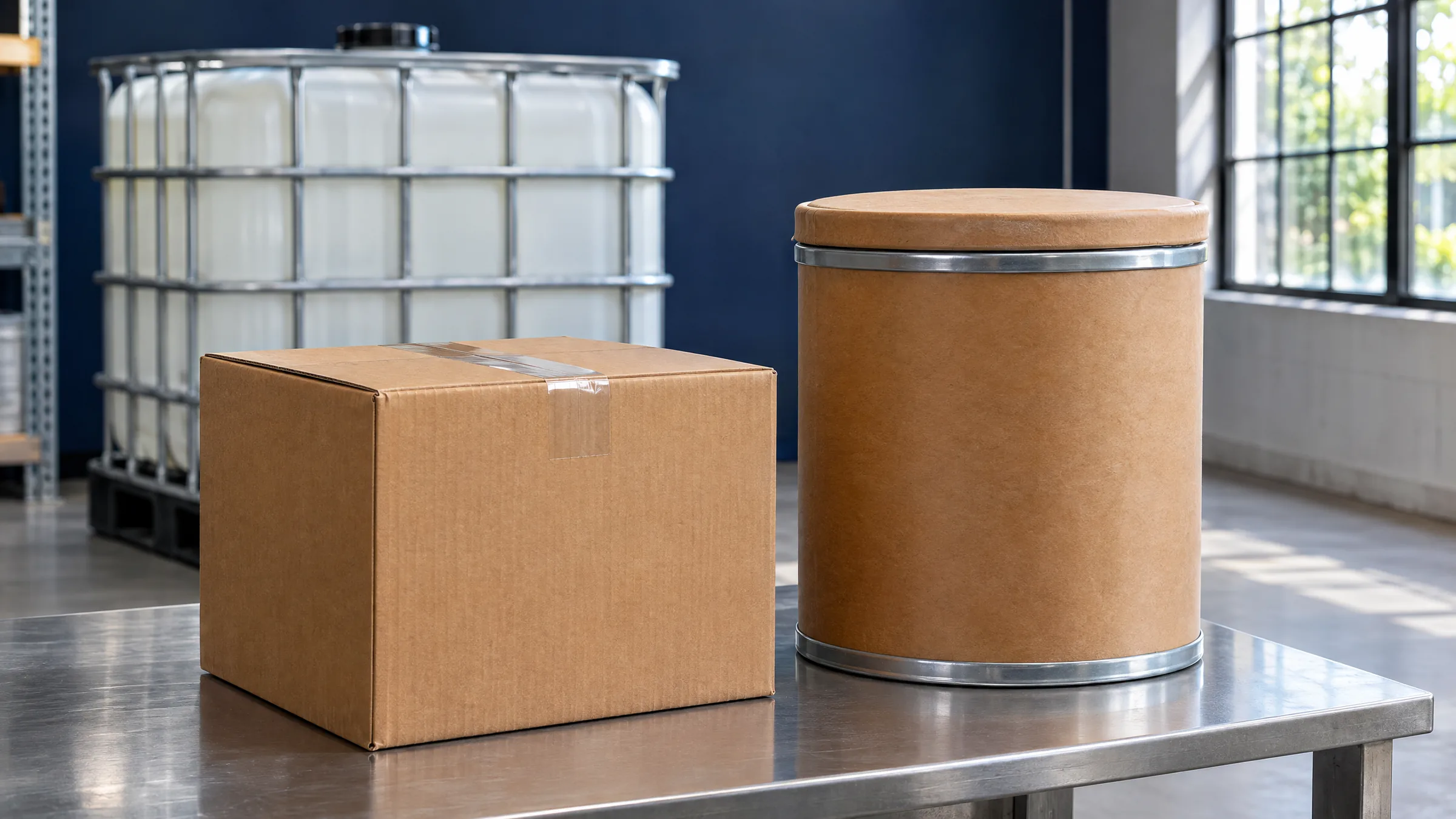
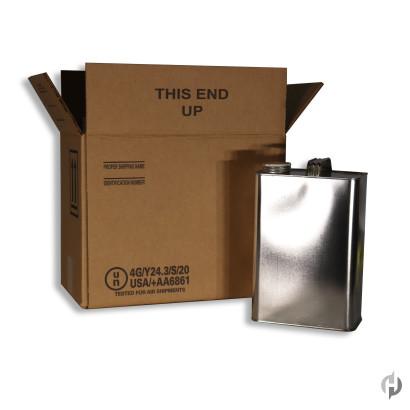
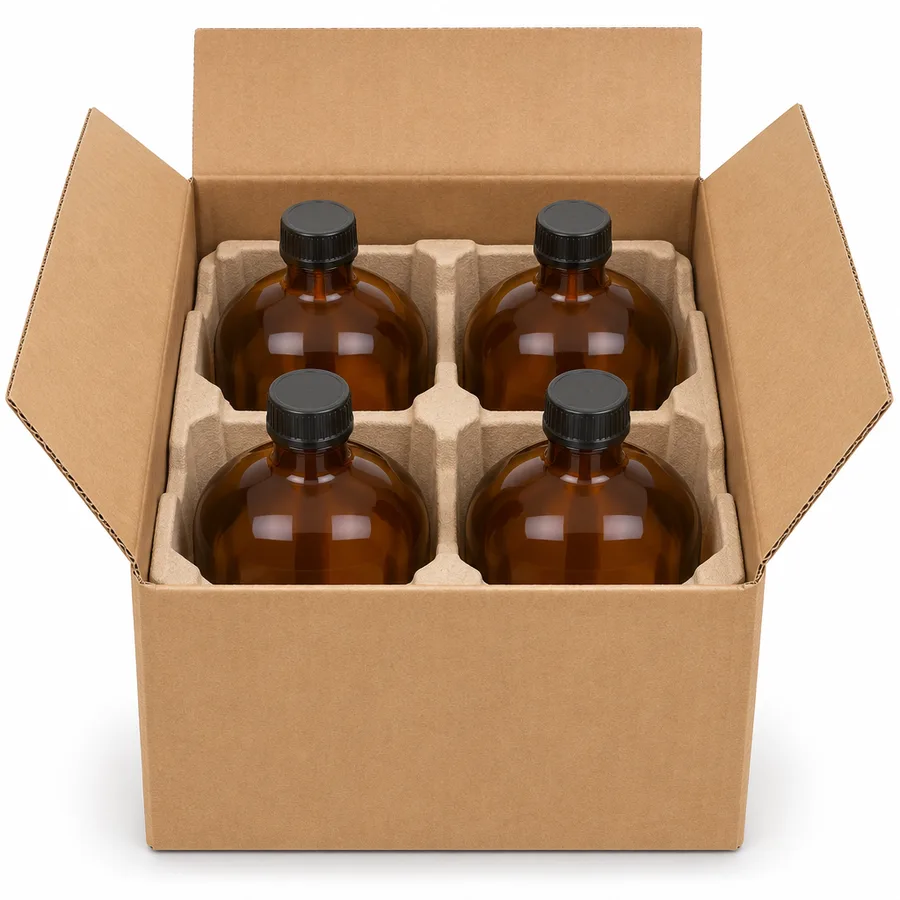
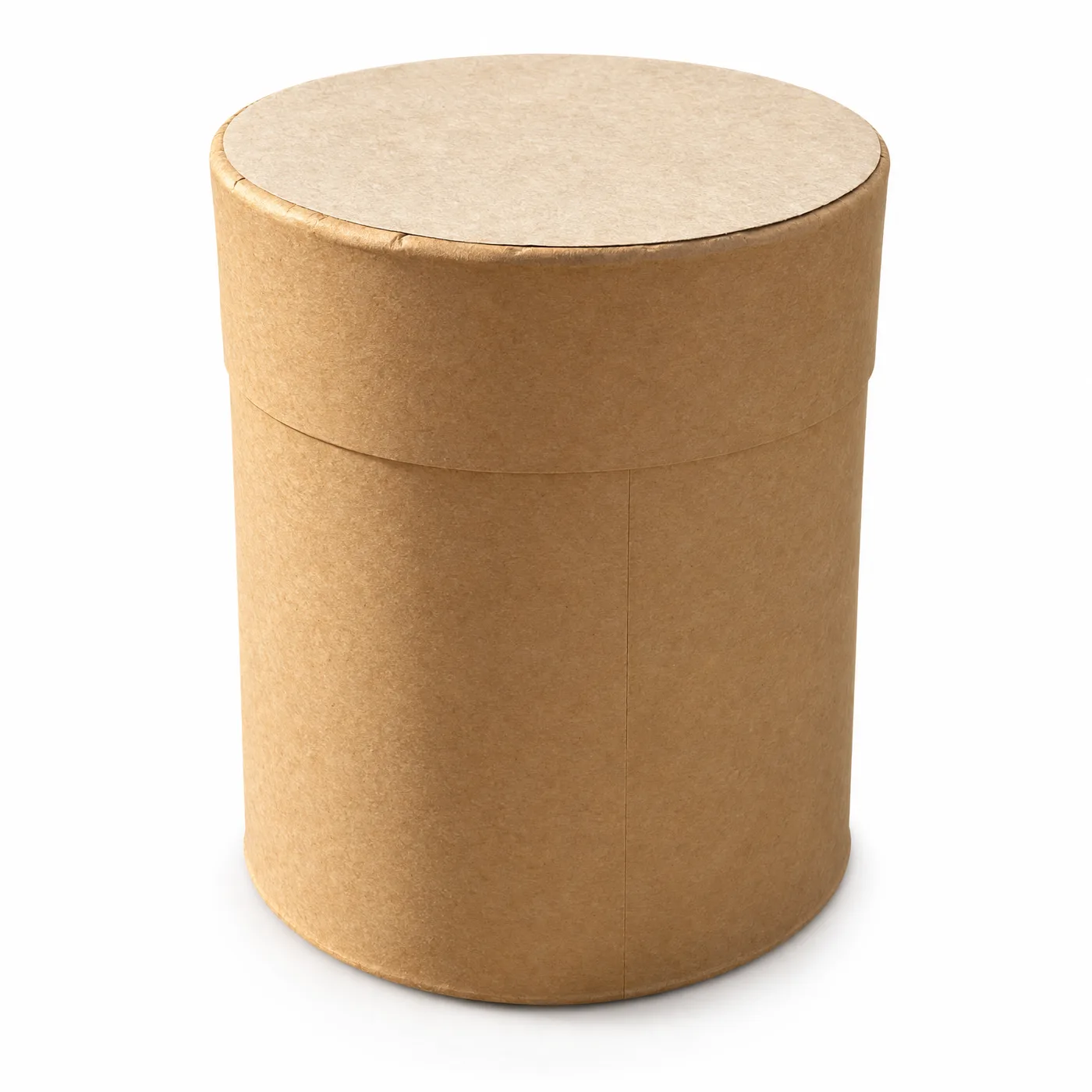
Oakspan Supply sells reconditioned 275 and 330 gallon IBC totes, UN 4G fiberboard boxes and kits, fiber drums and steel drums, plus the gloves, labels, wipes and closures on a plant's supply list. This article reports the proposed rule; it is not legal or compliance advice. PHMSA's notice and the current 49 CFR text are the record.[1]
On our shelves
Questions
What is PHMSA HM-215S?
HM-215S is PHMSA's proposed rule to align the Hazardous Materials Regulations with the 24th revised edition of the UN Model Regulations, the 2027-28 ICAO Technical Instructions and Amendment 43-26 of the IMDG Code. It was published October 27, 2026, at 91 FR 67720.[1]
When do HM-215S comments close?
Comments must be received by December 28, 2026, under docket PHMSA-2025-0048. PHMSA says it will consider late comments to the extent possible.[1]
Does HM-215S change the marking on IBC totes?
PHMSA says no. It rewords 49 CFR 178.703 from "stacking test load" to "superimposed stacking test mass" and states the change does not alter the marking requirements on a package or the stacking test itself.[1][3]
Is HM-215S in effect?
No. HM-215S is a notice of proposed rulemaking. The notice sets no effective date; the rules in force are the current sections of 49 CFR.[1]
Have a list of what you need? Our quotes desk prices the exact items.

Written by Anastasiia Kuziak, Manager and President of Oakspan Supply. She has a business degree, owns a small business of her own, and has more than five years in medical and pharmaceutical sales. How we write and check our guides.
Sources
- Hazardous Materials: Harmonization With International Standards (HM-215S), proposed rule, 91 FR 67720, October 27, 2026. Federal Register. Accessed 2026-11-08.
- Hazardous Materials: Harmonization With International Standards (HM-215R), proposed rule, 91 FR 5996, February 10, 2026. Federal Register. Accessed 2026-11-08.
- 49 CFR 178.703, Marking of IBCs. Electronic Code of Federal Regulations. Accessed 2026-11-08.
- 49 CFR 178.815, Stacking test. Electronic Code of Federal Regulations. Accessed 2026-11-08.
- 49 CFR 178.516, Standards for fiberboard boxes. Electronic Code of Federal Regulations. Accessed 2026-11-08.
- 49 CFR 180.352, Requirements for retest and inspection of IBCs. Electronic Code of Federal Regulations. Accessed 2026-11-08.
- 49 CFR 172.407, Label specifications. Electronic Code of Federal Regulations. Accessed 2026-11-08.
- Hazardous Materials: Adoption of Department of Transportation Special Permit 21478 (HM-268P), final rule, 91 FR 49335, August 4, 2026. Federal Register. Accessed 2026-11-10.
Written from the sources above under our editorial policy. Published November 8, 2026. Spot an error? Send us a correction and we fix it and note the date.
- Drums, totes and pails
- OKS-CTR-IBC-275-RECON: IBC tote, 275 gal, reconditioned
- OKS-CTR-IBC-330-RECON: IBC tote, 330 gal, reconditioned
- OKS-PKG-UNB-1X5GAL: UN 4G box for one 5 gal pail
- OKS-PKG-KIT4L-4X4L: UN 4G kit for 4 x 4 L amber glass bottles
- OKS-CTR-FD10-OH: fiber drum, 10 gal, open-head
- IBC tote sizes, dimensions and weights
- How to read UN markings on drums, pails and boxes
- PHMSA HM-268E: the RQ list moves to 40 CFR 302.4 on December 2, 2026
Pictures on this page are AI images made from our warehouse photos. Exact part and markings are confirmed in your quote.